
Steff Noble, Natural PRO | Natural Bodybuilding Coach

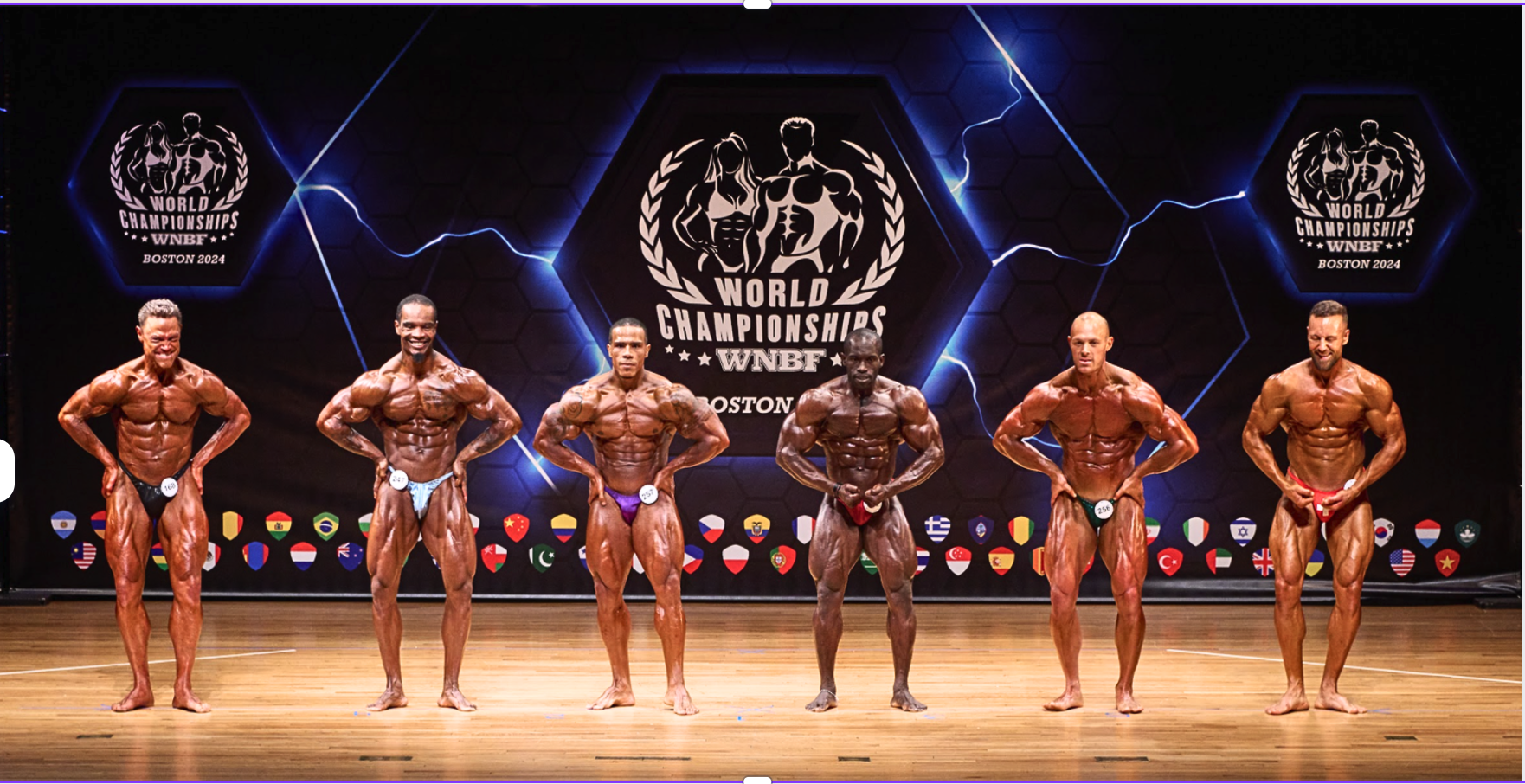
IFBB Professional bodybuilders competing at the Mr Olympia — elite enhanced athletes regularly compete at 220–290 lbs at under 7% body fat. Top WNBF natural pros compete at 180–205 lbs.
Introduction
Sports scientists, coaches and the media love to talk about winning and losing coming down to a couple of percent. Marginal gains. The one-percenters. But when it comes to anabolic steroids, we are not talking marginal — we are talking a completely different sport. The blunt answer to ‘how much of an advantage do steroids give you?’ is: a lot. More than most people are comfortable admitting.
Even the most naturally gifted and disciplined athlete can be outperformed by someone with less talent and less commitment, simply by virtue of the drugs they are taking. The goal posts are not just moved — you are not even running on the same track. This has a direct implication for coaches and athletes: training protocols and dietary approaches designed for enhanced athletes cannot and should not be applied to natural competitors. They simply do not translate.
The Challenge of Studying Steroids
Studying anabolic steroids properly is notoriously difficult. Researchers face significant hurdles in obtaining ethical approval to administer compounds that carry real health risks, recruiting appropriate subjects is challenging, and studies in free-living populations are logistically complex. Perhaps most importantly, the doses used in research settings are typically far lower than the supraphysiological doses commonly used by athletes and competitive bodybuilders. Observational and retrospective studies add further layers of methodological difficulty.
That said, even the conservative end of the research is telling. Studies using relatively modest doses — around 50 to 100 mg of testosterone gel per week — have reported participants gaining over 2 kg more lean mass than placebo-receiving peers within the same timeframe (Kvorning et al., 2013). At doses most enhanced athletes would consider trivial.
Side Effects and Health Consequences
Anabolic steroids are not without significant cost. Even at minimal doses, a single injection of 1200 mg of testosterone administered every 12 weeks has been shown to negatively affect cholesterol — lowering HDL (the ‘good’ cholesterol) and raising total cholesterol (Pelusi et al., 2010). More alarmingly, left ventricular hypertrophy, ventricular arrhythmias and structural remodelling of heart muscle have been documented in steroid-using populations (Birzniece, 2015).
These physiological changes contribute directly to the elevated rates of cardiovascular disease and premature death seen among professional bodybuilders and wrestlers — a picture made worse by broader lifestyle factors often associated with heavy drug use. The side effect profile is extensive, spanning both the physical and psychological.
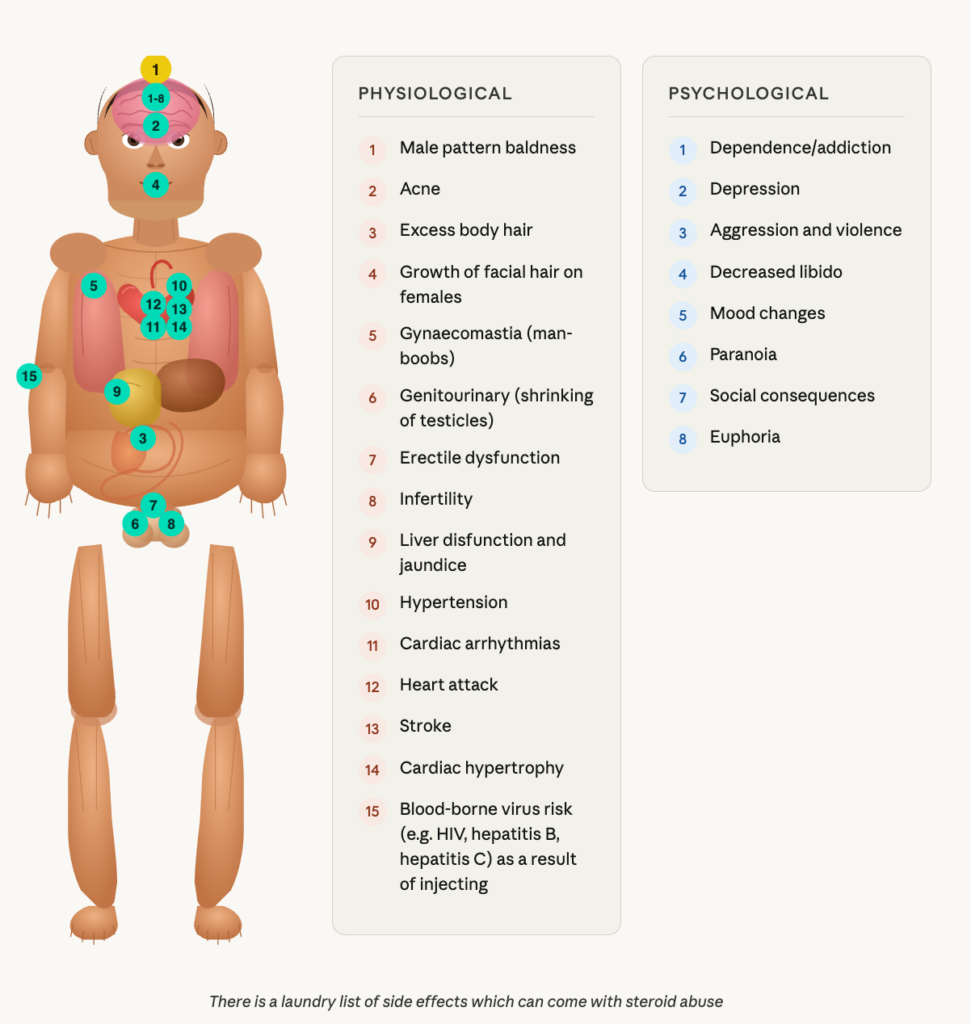
Figure 1. The extensive physiological and psychological side effect profile associated with anabolic steroid abuse.
The Bhasin Study: Numbers That Are Hard to Ignore
The most cited and arguably most impactful piece of research on this topic remains Bhasin et al. (1996), published in the New England Journal of Medicine. The study divided subjects into four groups: testosterone with training, testosterone without training, placebo with training, and placebo without training. Diet was standardised across groups at approximately 36 kcal/kg body weight with 1.5 g/kg protein, and compliance was monitored via food diaries.
The results are striking. The group that trained hard without testosterone gained approximately 1.9 kg of fat-free mass over the study period. The group that received testosterone but performed no resistance training at all gained 3.2 kg of fat-free mass. They also increased bodyweight, tricep and quadricep circumference, and improved their squat one-rep maximum — without a single gym session.
The group combining weight training with testosterone gained roughly three times the muscle mass of the training-only group. The implication is stark: at the doses used in this study, taking steroids without training produces better results than training hard without them.
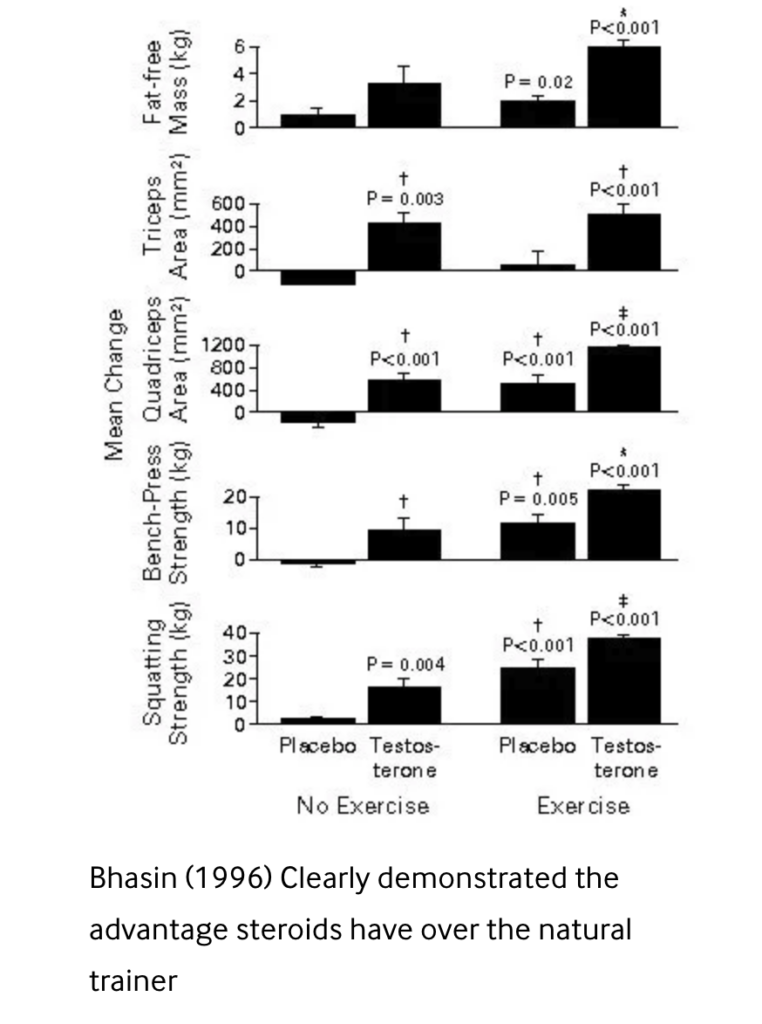
Figure 2. Bhasin et al. (1996) — Mean changes in fat-free mass, muscle area, and strength across four groups. Testosterone clearly demonstrated a significant advantage over natural training alone.
The Lasting Effects: Muscle Memory and Structural Advantage
Perhaps the most underappreciated dimension of this issue is how long the effects of steroid use persist after discontinuation. Anabolic steroids exert their effects by acting on androgen receptors in myonuclei and muscle satellite cells, and through direct pathways independent of androgen receptors — both resulting in increased protein synthesis and muscle mass accrual (Kadi, 2008).
Critically, steroids increase the number of muscle satellite cells and myonuclei within muscle fibres. These structures act as the machinery of muscle repair and growth — and research has shown that these elevated cell counts can persist for several years after a person stops using steroids (Kadi, 2008). The number of satellite cells achievable through steroid use also exceeds what is physiologically attainable through natural training alone.
Animal studies provide further sobering context. Positive structural adaptations from testosterone therapy in rats were still present three months after cessation of use. Given the shorter lifespan of the animals, this three-month window is estimated to be roughly equivalent to a decade in human terms (Harridge & Kadi, 2014). Extrapolating from animal models always requires caution, but the direction of the evidence is consistent and clear: steroid use may confer a near-permanent structural advantage on skeletal muscle — what researchers refer to as ‘muscle memory.’
Implications for Natural Sport and Drug Testing
These findings raise serious questions about current anti-doping policy. If the structural advantages from steroid use persist for years — or potentially decades — after cessation, the two-year ban currently imposed by WADA and the IOC in athletics looks inadequate. Someone who trained enhanced for several years and then ‘went clean’ may still hold a meaningful physiological edge over a lifelong natural athlete.
This also creates genuine grey areas around prohormones and testosterone replacement therapy (TRT), both of which occupy uncertain territory in terms of their effects and their regulatory treatment. The science here will continue to develop, and it deserves close attention from federations, coaches, and athletes alike.
For those of us in natural bodybuilding, the takeaway is not defeatism — it is clarity. Understanding the true magnitude of what drugs do allows natural athletes and coaches to set realistic expectations, design appropriate protocols, and compete and coach within an honest framework.
References
- Bhasin, S. et al. (1996). The effects of supraphysiologic doses of testosterone on muscle size and strength in normal men. New England Journal of Medicine, 335, 1–7.
- Birzniece, V. et al. (2015). Gonadal steroids and body composition, strength, and sexual function in men. Internal Medicine Journal, 45, 239–248.
- Harridge, S.D.R. & Kadi, R. (2014). The science of muscle memory and implications for anti-doping. Scandinavian Journal of Medicine & Science in Sports, 24(6), 869–870.
- Kadi, F. (2008). Cellular and molecular mechanisms responsible for the action of testosterone on human skeletal muscle. A basis for illegal performance enhancement. British Journal of Pharmacology, 154(3), 522–528.
- Kvorning, T. et al. (2013). Testosterone supplementation improves body composition and physical performance of older frail men. Journal of the American Geriatrics Society, 61(6), 957–962.
- Pelusi, C. et al. (2010). Effects of 3 months of testosterone administration on bone mineral density in men. International Journal of Andrology, 34(6), 548–555.
www.proprepcoaching.com · Steff Noble · WNBF PRO, WNBF UK PRESIDENT, International Judge